
After Delivery Services

A dedicated team of nurses will care for both you and your baby, keep you comfortable and answer all your questions. Our postpartum care includes:

  • Rooming-in with your baby. After delivery, you and your baby will stay together in a private room. It lets you rest and start fresh with your routine together. It helps you spend quiet time with each other, develop a strong connection, and sleep better.
  • Baby care education. Our nurses show you how to care for your newborn, including feeding, bathing, and breastfeeding. At Reading Hospital, you can watch on-demand education videos from the comfort of your room.
  • Newborn screenings. We check your baby’s breathing, oxygen levels, heart rate, and other vital signs to ensure they’re healthy. We use a blood test to check your baby for health problems that aren’t noticeable. These problems include genetic, hormonal, blood, or metabolic disorders as part of a statewide newborn screening program.
  • Postpartum depression screening. Birth is exciting but can also be overwhelming. We check in with you about your emotional health and refer you to our behavioral health team if you need extra support. Phoenixville Hospital also offers a Postpartum Adjustment Group.
  • The circumcision decision. If you have a son, you will need to decide whether to have him circumcised before leaving the hospital. Your baby’s doctor will explain the procedure, recommendations, benefits, risks, and complications before you decide. Additionally, you should check if your health insurance covers this procedure.
  • Hug your baby "skin-to-skin". After delivery, we place all healthy babies "skin-to-skin" according to the recommendations of the American Academy of Pediatrics. This "birthday hug" lasts until the first feeding is finished and has many benefits. Skin-to-skin contact promotes breastfeeding and bonding as well as keeping your baby warm and calm, while stabilizing body temperature and blood sugar. It is sometimes necessary for babies to spend some time in a warmer after delivery to support their health and safety. If this happens, your nurse will offer skin-to-skin contact as soon as it is safe. We also encourage your birth partner to offer skin-to-skin contact. We look forward to seeing you give your baby their first birthday hug!
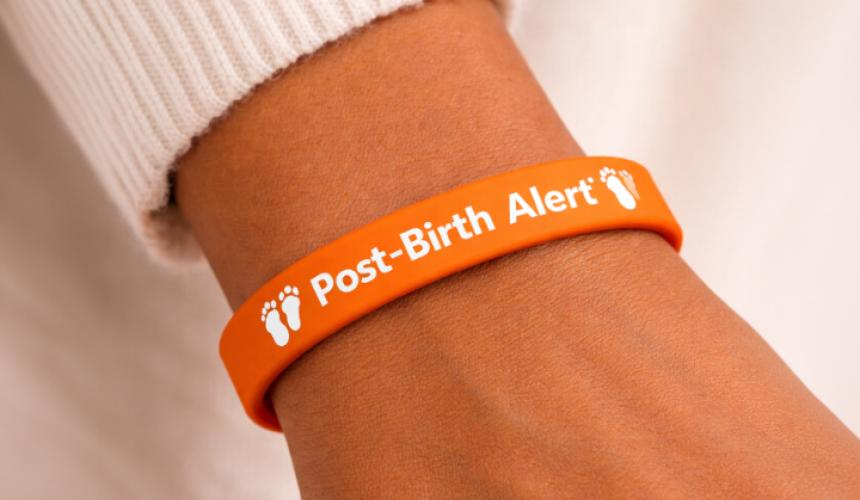
To-Do List After Delivery

  • Birth certificate. During your hospital stay, you will need to complete a birth certificate worksheet, which requires your social security number to complete. Our nursing staff can answer questions and provide special forms for unique circumstances.
  • Safe sleep safety alert. New parents can get very sleepy after labor and delivery. It is important to place your baby on its back in their crib when you feel sleepy, or if you plan to nap. If you nod off while snuggling with your newborn, there is a risk of your baby falling off the bed and being seriously injured. You can also call your nurse to help put your baby in the crib when you are sleepy. To prevent a fall, make the call!
  • Photography. Beginnings Maternity Center offers a photography service to take pictures of your newborn in the first days of life. You will receive more information about this service after your baby is born. If you would like more information about the package and pricing options, visit Welcome Baby.
  • Car seats. You must have an infant car seat to take your baby home. Babies less than five pounds need a car seat designed for small babies. It is a good idea to read the manufacturers' directions and know how to adjust the car seat to fit your baby before your due date. You can get more information about car seat safety by visiting the American Academy of Pediatrics. You can call your local state police barracks to make an appointment for an infant car seat safety check. Watch out for counterfeit car seats and be assured that the seat you buy meets US safety standards. You will receive more information about Pennsylvania's child car seat laws and car seat safety during your stay.

Breastfeeding Support

Breastfeeding benefits moms and babies. It improves mother-baby bonding and protects your baby from common illnesses like diarrhea and infections. Breastfeeding can lower your risk of gynecologic cancers and help you return to your pre-pregnancy weight faster.

Breastfeeding takes practice. Our trained nurses and international board-certified lactation consultants (IBCLCs) help you begin breastfeeding and answer your questions. Together, we provide comprehensive support to help you breastfeed successfully, including:

  • Education. We offer prenatal classes, workshops, and support groups to teach you about breastfeeding and breast care. This includes approaches to managing breast pain, mastitis, engorgement, and more.
  • Instruction. We offer bedside consultations and support after birth to help you get started. We provide individual attention to show you how to recognize feeding cues and develop a feeding schedule. Practice technique and positioning and receive help with breast pumps and other breastfeeding equipment.
  • NICU breastfeeding support. If your baby is in the NICU, we offer specialized breastfeeding support to help you develop a routine and bond with your baby.
  • Lactation support line. We’re available to answer your breastfeeding questions every day. Call our lactation consultants at 484-628-9299 (Reading Hospital) or 610-983-1266 (Phoenixville Hospital).

Breastfeeding Resources

Breast Pumps. Check with your insurance provider before obtaining a pump. Verify if this service is covered and follow the instructions provided. If you are a WIC participant and have no health insurance, please call your WIC office to request a pump. If you have specific pump questions, call our lactation consultants.

Women Infants and Children (WIC). Helps pregnant and breastfeeding women with supplemental nutritious foods, nutrition education, and breastfeeding counseling at WIC clinics. Contact the Berks WIC Nutrition Center at 610-373-5545.

Latch and Learn. Nursing mothers' group meets weekly on Thursdays at 11 a.m.

Community Lactation Consultants. Many insurance plans cover outpatient visits with lactation consultants. To find a lactation consultant, visit one of the following websites:

Suggested Reading

  • "Defining Your Own Success: Breastfeeding After Breast Reduction Surgery" - Diane West
  • "The Happiest Baby on the Block" - Harvey Karp
  • "Breastfeeding Premature Babies" - La Leche League International
  • "Working and Breastfeeding made Simple" - Nancy Morhbacher

Websites