About Blood Cancers
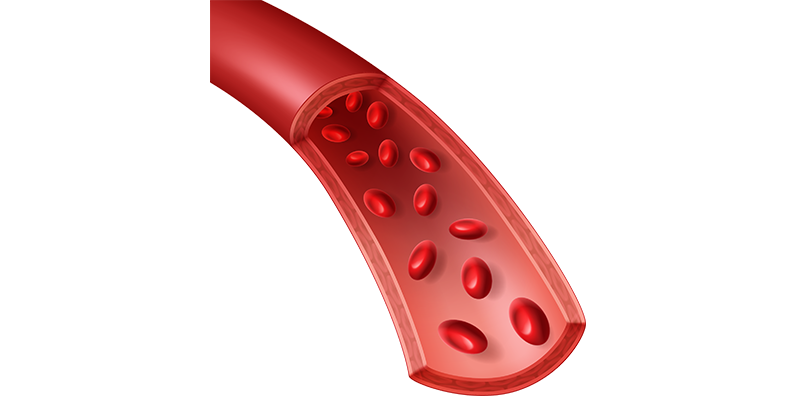
Blood cancers develop when abnormal blood cells grow out of control. When that happens, they keep normal, healthy blood cells from fighting off infection and producing new cells. We treat all types of blood cancers, which include leukemia, lymphoma, and myeloma.
Your team will include specialists such as medical oncologists, radiation oncologists, hematologists, and certified oncology nurses. Together, we work to create your treatment plan and help make sure you have the right choices for your type of blood cancer.
Types of Blood Cancers
These types of cancers begin in the bone marrow, blood, and lymphatic system. Each one has unique features and may need different treatments.
Leukemia
Leukemia is a cancer of the white blood cells, which form in the bone marrow. The abnormal white blood cells force out and replace normal blood and marrow cells. More about Leukemia (MedlinePlus.gov).
There are many types of leukemia. Some of the more common ones include:
- Acute lymphocytic leukemia (ALL). Affects the blood and bone marrow and develops quickly.
- Acute myeloid leukemia (AML). Affects the blood and bone marrow with rapid progression.
- Chronic lymphocytic leukemia (CLL). Most often grows slowly. It begins in the bone marrow then spreads to the blood.
- Chronic myeloid leukemia (CML). It starts in the blood-forming cells of the bone marrow before spreading to the blood.
- Hairy cell leukemia (HCL). This is a rare blood cancer that develops in the bone marrow and progresses slowly.
- Myelodysplastic syndromes (MDS). These are related diseases that begin when the bone marrow doesn’t produce enough functioning red blood cells, white blood cells, or platelets.
Lymphomas
Lymphomas develop in a part of the immune system called the lymph system. More about Lymphoma (MedlinePlus.gov).
They mainly fall into two categories:
- Hodgkin lymphoma. It is often diagnosed at an early stage, which makes it one of the most treatable cancers.
- Non-Hodgkin lymphoma. This condition may arise in lymph nodes anywhere in the body. This is why most cases of this cancer are diagnosed at an advanced stage.
Myeloma
Myeloma develops in the bone marrow. It affects plasma cells, which are cells that help keep you healthy. The disease can damage or weaken bones and become painful. More about Myeloma (MedlinePlus.gov).
Other types of bone marrow and blood disease include Myelodysplastic and myeloproliferative diseases.
- Myelodysplastic diseases begin when blood stem cells do not mature into healthy red blood cells, white blood cells, or platelets. This causes fewer healthy cells.
- Myeloproliferative diseases develop when an abnormal number of blood stem cells join into one or more types of blood cells. This causes the total number of blood cells to slowly increase, leading to disease.